Rose Katie: The Perfect Handwritten Font for Your Craft Projects
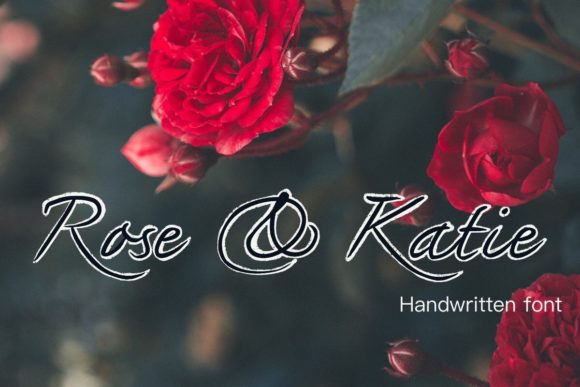
When you are running a handmade business or creating digital downloads, the difference between a project that feels amateur and one that looks professional often comes down to typography. I have spent years testing different typefaces on everything from candle labels to wedding invitations, and finding a script font that balances beauty with readability is no small feat. That is why Rose Katie has become a staple in my design toolkit. This flowing handwritten font brings an elegant touch to your work without sacrificing the charm that makes handmade goods so special.
As a creator who sells physical products like stickers, signs, and printable templates, I need fonts that not only look stunning in a mockup but also perform well when printed or cut. Rose Katie fits this need perfectly. Its incredibly distinct and timeless style allows it to stand out in a crowded marketplace while maintaining a level of sophistication that customers appreciate. Whether you are designing a boutique tag for a small shop or a welcome board for a rustic wedding, this script font adds a layer of personality that generic typefaces simply cannot match.
Bringing Elegance to Physical Products and Labels
One of the first places I reach for Rose Katie is when designing product packaging and labels. Imagine crafting homemade soy candles or artisanal soaps; the label is the first thing a customer sees. Using a clean sans serif font might be readable, but it lacks soul. In contrast, Rose Katie introduces a handwritten quality that suggests care and attention to detail. When used on product labels, the font elevates the perceived value of the item, making it feel like a premium gift rather than a mass-produced commodity.
I have found that this font works exceptionally well for short phrases, names, and titles on packaging. For instance, using Rose Katie for the brand name on a coffee bag or the flavor description on a jar of jam creates an immediate emotional connection. The flowing nature of the letters mimics the hand-stamped or hand-written look that buyers love in the craft community. However, because it is a modern typeface, it avoids looking messy or difficult to read, which is crucial for compliance with labeling regulations on food items or cosmetics.
Beyond labels, Rose Katie is fantastic for creating custom tags for tote bags, shirts, and other merchandise. When paired with a simple logo, the script font can serve as a subtle yet stylish accent that reinforces your brand identity. It adds a touch of warmth that encourages customers to connect with the story behind the product. For sellers on platforms like Etsy, where visual appeal drives sales, having a consistent and attractive font across all your assets is essential for building trust.
Ideal for Invitations, Stationery, and Digital Printables
If you create printable products, such as planner pages, wall art, or greeting cards, Rose Katie is a game-changer. The elegance of this script font shines when used for event stationery. I recently designed a set of wedding invitations where Rose Katie was used for the couple's names and key details. The result was a cohesive look that felt both romantic and contemporary. The distinct strokes of the letters give the invitation a high-end feel, encouraging guests to treat the event with the importance it deserves.
The versatility of Rose Katie extends to seasonal designs as well. During the holidays, I use it for festive signage, gift tags, and decorative boxes. The flowing lines complement the organic shapes of wreaths and ornaments, creating a harmonious design aesthetic. For digital creators selling SVG-style designs, this font is perfect for adding text overlays to images intended for Cricut or Silhouette machines. Because the characters are well-formed, they cut cleanly even at smaller sizes, ensuring that your vinyl decals and stickers look sharp.
For those who design social media graphics or web banners, Rose Katie offers a creative way to break up text and draw attention to headlines. While it is primarily a display font meant for short bursts of text, its legibility allows it to be used effectively in headers for blog posts or email newsletters. When combined with a clean sans serif font for body text, the contrast creates a balanced layout that is easy on the eyes and visually engaging.
Practical Tips for Readability and Cutting Machines
While Rose Katie is beautiful, practical application requires some consideration regarding size and spacing. When using this font for small stickers or tiny product tags, it is important to test the output before mass production. Script fonts can sometimes suffer from ink bleed on certain paper types or loss of detail when scaled down too much. I recommend keeping the font size above 18 points for most printed applications to ensure the delicate flourishes remain visible.
For cutting machine users, check the included styles and alternates carefully. Many premium fonts come with swashes and ligatures that can automatically adjust spacing for better flow. If your design software supports OpenType features, enabling these options will make your text look more natural and less rigid. Always preview your design on a mockup that closely resembles the final material, whether it is glossy cardstock, matte vinyl, or fabric, to catch any potential issues before you commit to a full print run.
Strategic Font Pairing for Brand Identity
No single font can do everything, and Rose Katie is best used as part of a thoughtful pairing strategy. Since it is a highly expressive handwritten font, it pairs beautifully with a neutral, geometric sans serif font. This combination provides a strong foundation for readability while allowing Rose Katie to take center stage for emphasis. For example, using a bold sans serif for the main headline and Rose Katie for the subheadline or signature line creates a dynamic hierarchy that guides the viewer's eye.
Alternatively, if you want a more classic look, you might pair Rose Katie with a simple serif font. This combination evokes a sense of tradition and reliability, which is excellent for businesses focusing on heritage, baking, or floral arrangements. The key is to maintain contrast; avoid pairing it with another script font unless you are an advanced typographer, as two competing scripts can quickly become chaotic and hard to read.
Licensing and Commercial Use for Creators
As a small shop owner, understanding the licensing terms of your design assets is non-negotiable. Before using Rose Katie in your commercial projects, always review the specific license agreement provided by the foundry. Most commercial fonts allow you to use them for creating physical products like t-shirts, mugs, and stickers that you sell, but there may be restrictions on how many units you can produce or whether you can embed the font in a digital template for resale.
It is vital to distinguish between personal use and commercial use. If you are creating client work, such as branding packages for other businesses, you may need an extended license. Similarly, if you plan to include the font file itself in a downloadable bundle for other designers, you will almost certainly need a specific distribution license. By respecting these guidelines, you protect your business from legal issues and support the designers who create these valuable tools. Taking the time to verify your rights ensures that your creative endeavors remain safe and sustainable.
In the world of crafts and design, the right tool can transform a good idea into a great product. Rose Katie offers the distinct, timeless style needed to make your creations stand out. Whether you are stamping labels, cutting vinyl, or printing invitations, this script font provides the elegant touch that customers are looking for. By integrating it thoughtfully into your workflow, you can enhance your brand identity and deliver a higher quality experience to your audience.